
Active Cornering Enhancement is reshaping how modern vehicles stay stable during turns and sudden maneuvers. This smart vehicle handling system focuses on keeping your car balanced when cornering feels challenging. Instead of allowing heavy lean, the active cornering enhancement system works instantly to control motion and improve confidence.
Drivers in the U.S. notice smoother responses, safer curves, and better comfort on highways and city roads. By using sensors and hydraulics, this advanced suspension system supports stronger grip and calm steering. Whether in SUVs or performance cars, ACE technology plays a key role in improving safety, comfort, and overall driving control without changing how you drive.
What Is Active Cornering Enhancement (ACE)?
Active Cornering Enhancement, often called ACE, is an advanced suspension system designed to limit body lean when a vehicle turns. In simple words, it keeps your car flatter and calmer in corners. The ACE suspension system belongs to the wider vehicle handling system family and focuses on stability instead of raw speed.
Think about taking a sharp freeway ramp. A normal suspension allows the vehicle to tilt. ACE uses cornering stability technology and a body roll control system to fight that movement. The result is reduced body roll, enhanced vehicle stability, and a feeling that the vehicle stays planted. Many drivers describe it as increased driving confidence and a more secure ride.
How Active Cornering Enhancement Works
Active Cornering Enhancement works by watching the vehicle’s movement hundreds of times per second. Sensors measure speed, steering angle, and side forces. The system then makes real-time adjustments using dynamic suspension control. This process helps deliver sharper cornering and better steering response without driver input.
When you enter a turn, lateral acceleration control detects the force pushing the car sideways. The vehicle stability system responds instantly. Hydraulic force stiffens one side of the suspension while relaxing the other. This keeps the vehicle steady. You feel balanced handling, high-speed cornering stability, and predictable vehicle behavior even on uneven roads.
Key Components of the ACE System
The active cornering enhancement system relies on several technical parts working together. Accelerometers sense side movement. An electronic control unit (ECU) analyzes the data. The ACE pump builds hydraulic pressure and sends it through a valve block to hydraulic actuators connected to torsion bars.
The table below shows how each part supports vehicle dynamics control and responsive suspension behavior.
| Component | Role in the ACE System |
|---|---|
| Accelerometers | Measure side forces during turns |
| ECU | Makes decisions using control algorithms |
| ACE Pump | Generates hydraulic pressure |
| Valve Block | Directs fluid flow |
| Hydraulic Actuators | Apply force to counter body roll |
| ACE Fluid | Transfers pressure through the system |
Together, these parts create a real-time suspension system that delivers controlled body movement and keeps the vehicle remains level in corners.
Benefits of Active Cornering Enhancement for Drivers
The biggest advantage of ACE is control. Drivers experience improved handling, improved cornering control, and optimized tire contact with the road. That means more grip and less surprise. The system also reduces stress on suspension parts, helping long-term durability.
Comfort also improves. Passengers notice smoother ride quality, enhanced ride comfort, and improved safety during turns. Whether you drive a sedan or SUV, ACE supports confident performance driving and a safer driving experience on highways and city roads.
Vehicles That Use Active Cornering Enhancement Technology
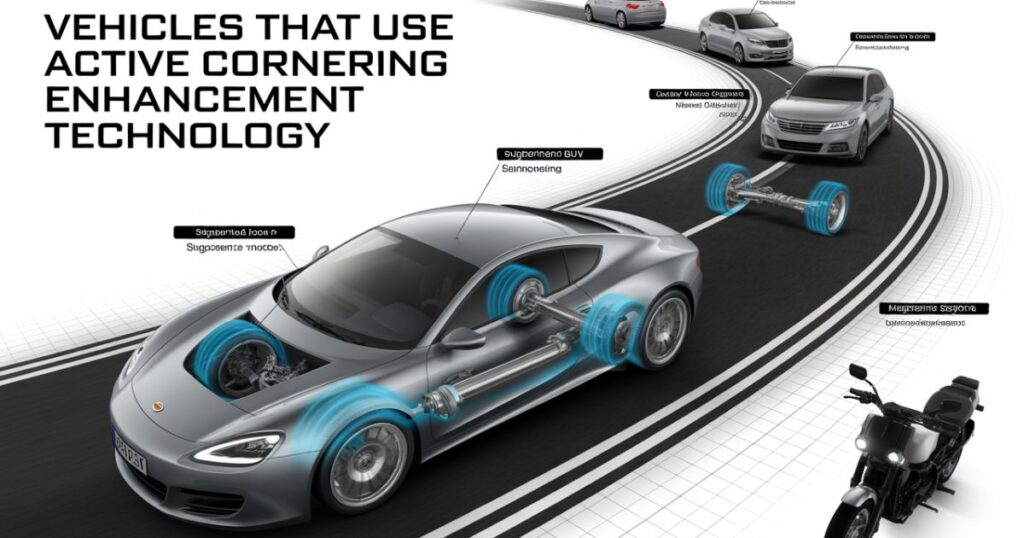
ACE first gained attention in Land Rover models. Today, it appears in many luxury vehicle suspension designs. SUVs benefit the most because of their higher center of gravity. In these vehicles, ACE acts as critical SUV stability technology.
Performance-focused models also use similar adaptive suspension technology. These systems support performance vehicle dynamics, performance car suspension, and high-performance handling system goals. Drivers enjoy improved road grip and improved traction during turns on both dry and wet pavement.
Common ACE Warning Lights and What They Mean
The ACE warning light communicates system health. An amber light usually signals reduced performance. A red light indicates a serious fault. These warnings protect the hydraulic suspension system from damage and help maintain on-road stability system safety.
Ignoring warnings can lead to leaks or pressure loss. According to Land Rover service data, early action often prevents major repairs. If a red light appears, stopping the vehicle protects both safety and the intelligent suspension system.
Common ACE Problems and Troubleshooting Tips
Common ACE issues include fluid leaks, sensor faults, or pump wear. Low hydraulic fluid reduces system pressure and triggers alerts. Sensor problems affect real-time data processing and lead to uneven response.
Technicians usually begin with a diagnostic scan. This checks suspension sensors, pressure readings, and ECU signals. Quick repairs restore reduced understeer, reduced oversteer, and dynamic handling performance before serious damage occurs.
Maintenance Tips to Keep the ACE System Reliable
Routine maintenance keeps ACE healthy. Checking ACE fluid levels prevents pressure loss. Inspecting hoses and seals avoids leaks. Bleeding the system removes trapped air and restores smooth response.
Regular service supports stability enhancement technology and preserves off-road suspension system capability. Many U.S. workshops report that well-maintained ACE systems last the life of the vehicle, even in demanding climates.
The Future of Active Cornering Enhancement Technology

The future of Active Cornering Enhancement looks smart and connected. New systems combine AI with electronic suspension control. These setups predict road conditions instead of reacting late. That means improved traction during turns and stability in sharp curves.
Electric vehicles will also benefit. Engineers are integrating ACE with motors and braking systems for seamless control. The goal remains simple. Deliver enhanced off-road stability, safer travel, and confident handling for every driver.
Conclusion
Active Cornering Enhancement is a game-changing technology that transforms how vehicles handle turns, steep curves, and sudden maneuvers. By using ACE technology and advanced suspension systems, it keeps the car balanced, improves grip, and enhances driver confidence. Drivers experience smoother ride quality, better steering response, and enhanced vehicle stability, whether in performance cars or SUVs.
Regular maintenance ensures the system remains reliable and effective over time. Overall, Active Cornering Enhancement is more than just a comfort feature it’s a crucial part of modern vehicle dynamics control, providing a safer, more controlled, and enjoyable driving experience for every journey.
FAQs
What is ACE on a Land Rover?
ACE (Active Cornering Enhancement) is a system that reduces body roll and improves stability while cornering.
What is active cornering assist?
It’s a feature that helps vehicles maintain balance and control during sharp turns or curves.
How to tell if your Discovery 2 has ACE?
Check the dashboard for an ACE light or review the vehicle’s specifications for the ACE suspension system.
Does ACE mean really good?
No, in cars, ACE refers to Active Cornering Enhancement, not a general rating.
What is the ACE system?
The ACE system is an advanced suspension technology that enhances vehicle handling and stability during turns.