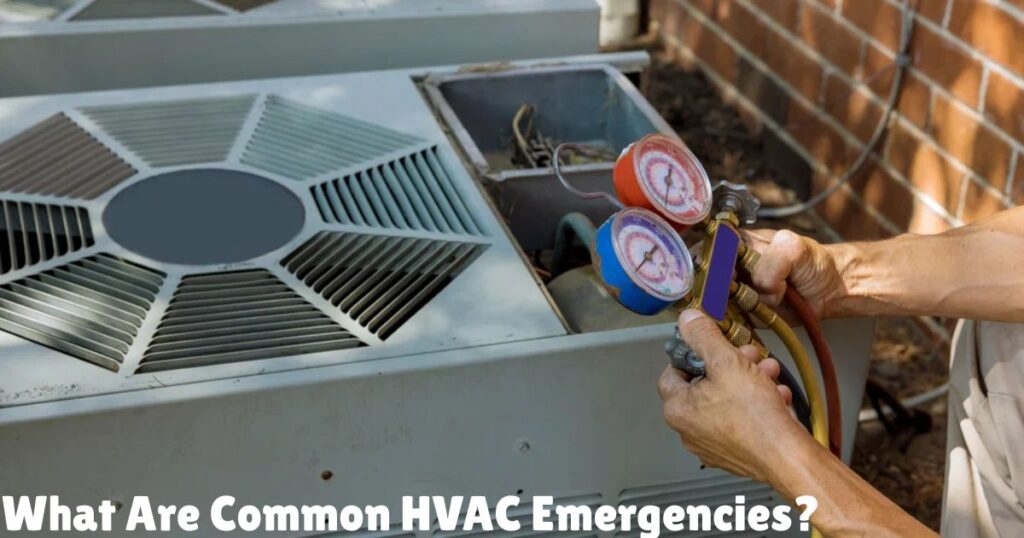
There’s nothing worse than your heating or cooling system going out at the worst time. A freezing night in winter or a sweltering summer day can make a broken HVAC system feel like a real emergency. That’s why it helps to have HVAC services by BeltwayHVAC.com on speed dial. Knowing the most common HVAC emergencies can help you act fast, stay safe, and avoid bigger problems.
No Heating or Cooling
The most obvious emergency is when your system stops working completely. Your AC won’t cool the house, or your heater won’t turn on. This could be caused by a blown fuse, a thermostat problem, or a broken compressor.
Don’t panic. Check the thermostat and circuit breakers first. Beyond that, it’s best to call a professional. Trying to fix major HVAC components yourself can make things worse or even unsafe.
Weird Noises
If your HVAC starts making banging, squealing, or rattling noises, it’s not normal. Loose parts, failing motors, or fan issues are often the culprit.
Even a small rattle can turn into a big problem if ignored. If you hear something unusual, turn the system off and call your HVAC technician. It’s better to be safe than sorry.
Water Leaks
Water pooling around your HVAC unit is another common emergency. In air conditioners, this could come from a clogged drain line or frozen coils. In heaters, it could mean a cracked heat exchanger or plumbing problem.
Leaking water isn’t just messy it can damage your home or create a mold problem. If you see water around your system, call a pro quickly.
Strange Smells
Odd smells coming from your system are warning signs. Musty odors usually mean mold or mildew. A burning smell could be an electrical problem. And a rotten egg smell? That’s a gas leak and it’s serious.
If you smell gas, get everyone out of the house and call your gas company immediately. Don’t try to investigate yourself.
Pilot or Ignition Issues
For gas heaters, pilot lights or ignition problems are pretty common. If your furnace won’t light, your home can get cold fast. These problems are often caused by a dirty burner or a faulty thermocouple.
Never try to fix gas components on your own. It’s safer to call a licensed HVAC technician.
Electrical Problems
Your HVAC system runs on electricity, so wiring problems, tripped breakers, or blown fuses can leave it dead. Electrical issues can also be fire hazards if ignored.
If you notice flickering lights, sparks, or a system that keeps shutting off, call a professional. Regular maintenance can often prevent these emergencies.
Refrigerant Leaks
If your AC or heat pump isn’t cooling properly, a refrigerant leak could be the problem. Low refrigerant can cause ice on the coils, strange noises, or even damage to the compressor.
Refrigerants are chemicals that need special handling. Only a licensed HVAC tech should handle this.
What To Do During an HVAC Emergency
When something goes wrong, stay calm. Turn off the system if you think it could cause damage or be unsafe. Then call a trusted HVAC service.
While you wait for help, you can:
- Use fans or portable heaters safely.
- Keep kids and pets away from leaks or electrical hazards.
- Take note of what’s happening sounds, smells, water so the technician knows exactly what’s going on.
How to Prevent Emergencies
Not all emergencies can be avoided, but you can reduce the chances:
- Schedule regular HVAC check-ups, ideally once or twice a year.
- Change filters and keep vents clean to prevent strain.
- Watch for unusual sounds, odors, or leaks and act quickly.
- Know who to call when something goes wrong having a reliable HVAC service ready can save you stress.
Even simple preventive steps can keep your system running longer and make emergencies less likely.