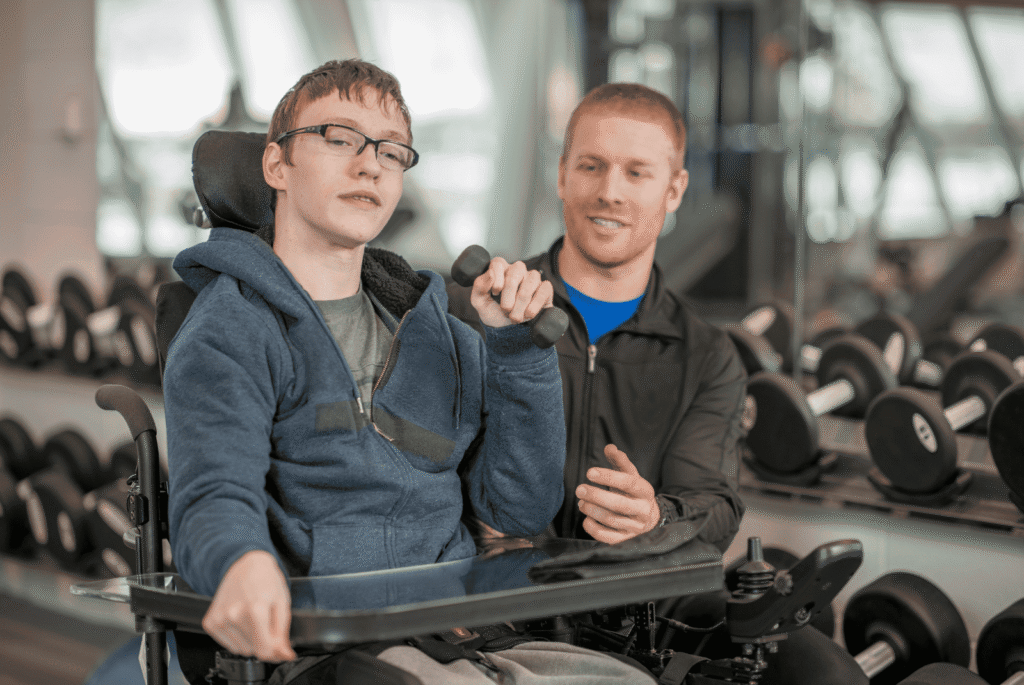
Living with a disability comes with unique challenges, but it also comes with opportunities for growth, independence, and a fulfilling life—especially with the right support in place. This is where allied health services play an important role.
Allied health professionals work alongside individuals to improve physical, emotional, and social well-being. Their goal isn’t just to provide care—it’s to help people build skills, gain confidence, and live as independently as possible.
Let’s take a closer look at how allied health services support independence and enhance quality of life in disability care.
What Are Allied Health Services and Why Do They Matter
Allied health services refer to a group of healthcare professionals who are not doctors or nurses but play a vital role in supporting overall health and well-being.
These may include:
- Physiotherapists (help with movement and physical recovery)
- Occupational therapists (support daily living skills)
- Speech therapists (assist with communication and swallowing)
- Psychologists (support mental and emotional health)
Each of these professionals focuses on different aspects of care, but they all share the same goal—helping individuals live more independently and confidently.
For example, someone recovering from an injury might work with a physiotherapist to regain strength, while another person may work with an occupational therapist to learn how to manage daily tasks more easily.
This collaborative approach is part of rehabilitation, where different specialists work together to improve a person’s ability to function in everyday life.
Building Practical Skills for Everyday Independence
One of the most valuable aspects of allied health services is their focus on practical, real-life skills.
Rather than just treating symptoms, allied health professionals help individuals develop the abilities they need to navigate daily life.
For instance:
- Learning how to prepare meals safely
- Managing personal routines like dressing and hygiene
- Using assistive devices for mobility
- Improving communication skills for social interactions
Imagine someone who has difficulty with balance and coordination. A physiotherapist can guide them through exercises that improve strength and stability, making it easier to move around safely.
Or consider someone who struggles with daily tasks after an injury. An occupational therapist can teach strategies to simplify these tasks, helping them regain confidence and independence.
These skills may seem small, but they make a big difference in everyday life. They allow individuals to take control of their routines and reduce reliance on others.
Supporting Emotional Well-Being and Confidence
Independence isn’t just physical—it’s also emotional.
Living with a disability can sometimes lead to feelings of frustration, isolation, or uncertainty. Allied health services address this by supporting mental and emotional well-being.
For example, psychologists or counselors can help individuals:
- Build confidence and self-esteem.
- Manage stress and anxiety.
- Develop coping strategies for challenges.
- Improve social skills and relationships.
Let’s say someone feels anxious about joining social activities. With the right support, they can gradually build confidence and feel more comfortable engaging with others.
Speech therapists also play a role here. By improving communication skills, individuals can express themselves more clearly, which can strengthen relationships and reduce feelings of isolation.
This combination of physical and emotional support creates a more balanced and holistic approach to care.
Encouraging Participation in Community and Daily Life
A fulfilling life involves more than just managing health—it includes being part of a community, pursuing interests, and building meaningful connections.
Allied health services help individuals participate more actively in their communities.
For example:
- Joining group activities or classes
- Returning to work or education
- Participating in hobbies or sports
- Engaging in social events
Imagine someone who enjoys art but struggles with fine motor skills. With the help of an occupational therapist, they can adapt techniques and tools to continue their hobby.
Or consider someone preparing to return to work after an injury. Allied health professionals can provide support and strategies to make the transition smoother.
Midway through exploring these kinds of support, many individuals and families look into services like Prime 1 Care allied health services to find programs that align with their personal goals and lifestyle.
By encouraging participation, allied health services help individuals feel more connected and engaged in everyday life.
Adapting Support to Individual Needs
No two individuals are the same, and allied health services recognize this by offering personalized care.
Support plans are tailored to each person’s goals, abilities, and preferences. This means that care is not only effective but also meaningful.
For example:
- A child may focus on developing communication and learning skills.
- A young adult may work on independence and employment readiness.
- An older individual may focus on maintaining mobility and comfort.
This flexibility allows support to evolve over time. As individuals grow and their needs change, their care can be adjusted accordingly.
It also empowers individuals to take an active role in their own development, setting goals and working toward them with professional guidance.
Real-Life Impact Across Different Situations
Allied health services are used in a wide range of situations, each with its own unique challenges and goals.
Children and Early Development
Support helps build foundational skills, such as communication, coordination, and social interaction.
Adults Building Independence
Individuals receive guidance to manage daily tasks, pursue careers, and live independently.
Recovery and Rehabilitation
After injuries or medical events, allied health professionals help individuals regain strength and function.
Long-Term Support
Ongoing care helps maintain health, mobility, and quality of life.
Across all these scenarios, the focus remains on improving independence and well-being in practical, meaningful ways.
A Support System That Empowers Individuals
Allied health services are an essential part of modern disability care. They go beyond basic support by helping individuals develop skills, build confidence, and participate fully in life.
By addressing physical, emotional, and social needs, these services create a well-rounded approach to care that empowers individuals to live more independently.
In the end, it’s not just about receiving support—it’s about gaining the tools and confidence to live life on your own terms.
And with the right guidance, even small steps forward can lead to meaningful, lasting improvements in well-being.


Pingback: What Are Hollow Blocks? A Complete Guide to Hollow Blocks in Construction, Kids, and Creative Play - BBC Insider