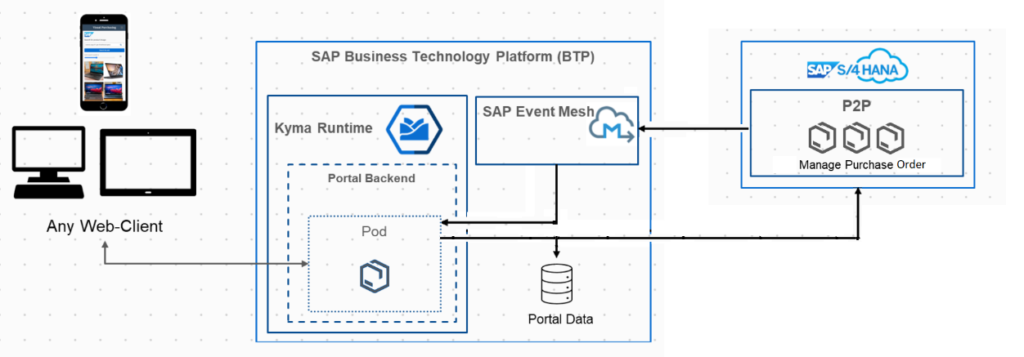
Procurement teams working inside SAP environments know the pain well: purchase orders sitting in email inboxes, invoice status buried in spreadsheets, and suppliers calling in just to ask where their payment stands. As supplier networks grow, this kind of manual back-and-forth stops being a minor inconvenience and starts becoming a real operational bottleneck that slows down the entire procure-to-pay cycle.
A properly implemented SAP supplier portal solves this directly by giving suppliers self-service visibility into purchase orders, invoices, and payment status, all connected natively to your existing SAP data. Instead of procurement staff acting as a manual relay between internal SAP records and external suppliers, the portal lets both sides access the same real-time information independently.
The Hidden Cost of Manual Supplier Communication
Most organizations don’t realize how much time manual supplier communication actually consumes until they start measuring it. Every phone call asking about invoice status, every email chasing a purchase order confirmation, and every manual document exchange adds up across a procurement team’s week, pulling attention away from strategic sourcing and vendor relationship work that actually adds business value.
Beyond the time cost, manual processes introduce risk. Information relayed through emails and phone calls is prone to miscommunication, version control issues, and delays that can strain supplier relationships, particularly with strategic vendors who expect a more professional, streamlined way of doing business.
Core Capabilities a Good Supplier Portal Should Offer
Not all supplier portal solutions are built the same way, and the value they deliver depends heavily on how deeply they integrate with core SAP processes. A capable solution should address several key functional areas.
- Real-time purchase order visibility so suppliers can confirm and track orders without contacting procurement directly.
- Invoice submission and status tracking that connects directly to SAP financial data.
- Document exchange capabilities for contracts, certifications, and compliance records.
- Automated notifications that alert suppliers to order changes or required actions.
- Role-based access controls that keep sensitive data secure while still enabling self-service.
When these capabilities are properly integrated with SAP rather than bolted on as a separate system, the portal becomes a genuine extension of your procurement process rather than just another tool suppliers have to learn and maintain separately.
Manual Procurement Communication vs. a Connected Supplier Portal
| Process | Manual Approach | Supplier Portal Approach | Business Impact |
| Purchase Order Status | Phone calls and email follow-up | Real-time self-service visibility | Fewer status inquiries to procurement |
| Invoice Submission | Email or postal submission | Direct portal upload with tracking | Faster processing, fewer errors |
| Document Exchange | Scattered email attachments | Centralized, version-controlled storage | Improved compliance and audit readiness |
| Supplier Onboarding | Manual data entry into SAP | Guided self-registration workflow | Reduced onboarding time and errors |
Why Native SAP Integration Actually Matters
Some supplier collaboration tools operate as standalone platforms that sync with SAP periodically rather than working directly against live SAP data. This gap can create exactly the kind of inconsistency the portal was supposed to eliminate in the first place, with suppliers seeing outdated order statuses or invoice information that doesn’t match what’s actually in the system.
A solution designed specifically as an SAP supplier portal avoids this problem by working natively within the SAP environment, so procurement teams don’t have to reconcile data between two separate systems and suppliers always see information that reflects the true, current state of their orders and payments.
The Impact on Supplier Relationships
Beyond the internal efficiency gains, giving suppliers self-service access to their own order and invoice data sends a clear signal about how seriously an organization takes its vendor relationships. Suppliers who can independently check on payment status or confirm order details without waiting on a response from procurement tend to report higher satisfaction working with that organization, which matters especially when competing for capacity or priority with strategic suppliers who have other customers to serve.
This improved experience also reduces friction during disputes or discrepancies, since both sides are working from the same transparent, shared source of information rather than trying to reconcile separate records after the fact.
Getting Implementation Right
Rolling out a supplier portal successfully requires more than just installing software. Organizations should plan for a phased rollout, starting with high-volume or strategic suppliers who will benefit most immediately, while building out onboarding materials and support processes to help suppliers adopt the new self-service tools smoothly.
Change management also matters internally. Procurement staff accustomed to handling supplier communication manually need clear guidance on how their role shifts once the portal is live, redirecting their time toward higher-value activities rather than routine status updates.
Conclusion
For organizations running SAP, the case for a dedicated supplier portal has become increasingly clear. Manual procurement communication doesn’t scale well as supplier networks grow, and the resulting inefficiencies cost both time and supplier goodwill. A properly integrated portal solves this by giving suppliers direct, real-time access to the information they need, freeing procurement teams to focus on strategic work rather than status updates, and strengthening supplier relationships through greater transparency and reliability across the entire procurement process.