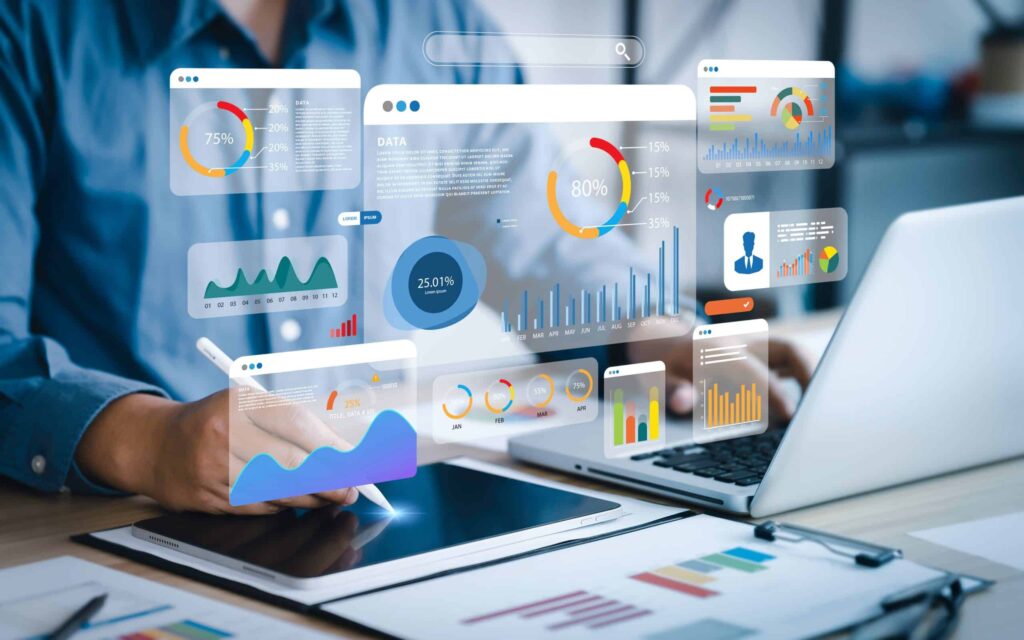
Running ads on social media used to be simple—boost a post, set a budget, and hope for the best. But as competition has grown and audiences have become more selective, businesses need a smarter approach. It’s no longer just about getting views or likes; it’s about getting real results.
That’s where performance-driven social ads come in. These campaigns are designed with clear goals in mind—whether that’s generating leads, increasing sales, or driving website traffic. Instead of guessing what might work, businesses rely on data, testing, and optimization to improve outcomes over time.
Let’s break down how this approach works and why it’s become so important.
What Makes Social Ads “Performance-Driven”?
Performance-driven advertising focuses on measurable results. Every campaign is built around specific goals, and success is tracked using real data.
For example, instead of simply aiming for more followers, a business might aim to:
- Increase online purchases
- Generate qualified leads
- Drive bookings or inquiries
This approach is closely tied to online advertising, where campaigns are optimized based on performance metrics such as clicks, conversions, and return on investment.
In practical terms, this means every ad is tested and refined. If something isn’t working, it’s adjusted. If something performs well, it’s scaled up.
For businesses, this creates a more efficient and results-focused marketing strategy.
Reaching the Right Audience with Precision
One of the biggest advantages of social media advertising is its targeting capabilities. Platforms allow businesses to reach people based on interests, behaviors, location, and more.
Performance-driven campaigns take this a step further by continuously refining the audience.
For example, an online clothing store might start by targeting a broad audience interested in fashion. Over time, data reveals which groups are more likely to make purchases. The campaign can then focus more on those high-performing segments.
Another example is a local service provider, such as a cleaning company. Instead of advertising to everyone in a city, they can target homeowners in specific areas who are more likely to need their services.
This level of precision reduces wasted spend and increases conversion rates.
Turning Engagement into Real Conversions
Likes and comments are great, but they don’t always translate into business growth. Performance-driven social ads focus on turning engagement into meaningful actions.
This involves guiding users through a clear journey.
For instance, a fitness brand might:
- Show an engaging video ad demonstrating workouts.
- Lead viewers to a landing page with a free trial offer.
- Follow up with email reminders or promotions.
Each step is designed to move the user closer to becoming a customer.
Similarly, a real estate agent might use ads to showcase properties, encourage inquiries, and then follow up with personalized communication.
If you’re looking to understand how these campaigns are structured, you can explore examples of performance driven social ads, which demonstrate how businesses align creative content with measurable goals.
The key is to create a seamless path from interest to action.
Continuous Testing and Improvement
One of the most powerful aspects of performance-driven advertising is the ability to test and improve.
Instead of relying on a single ad, businesses can run multiple variations to see what works best. This might include:
- Different headlines or captions
- Various images or videos
- Alternative calls-to-action
For example, an eCommerce store might test two versions of an ad—one highlighting a discount and another focusing on product benefits. By comparing results, they can identify which approach resonates more with their audience.
Over time, these insights lead to better-performing campaigns.
This process is often referred to as optimization, and it’s what allows businesses to improve results without necessarily increasing their budget.
Adapting Strategies Across Different Industries
Performance-driven social ads are not limited to a specific type of business. They can be adapted to suit different industries and goals.
- Retail businesses use them to drive product sales.
- Service providers generate leads and bookings.
- Healthcare providers promote awareness and appointments.
- Real estate professionals attract buyers and sellers.
For example, a restaurant might run ads promoting a special offer to nearby customers. A software company might use ads to encourage sign-ups for a free trial.
Each industry uses the same principles but applies them in ways that fit its audience and objectives.
Maximizing Return on Investment
At the end of the day, every business wants to know that its marketing efforts are worth the cost.
Performance-driven social ads are designed to maximize return on investment (ROI). By focusing on measurable outcomes and continuously improving campaigns, businesses can get more value from their advertising spend.
For instance, instead of spending money on ads that only raise awareness, a business can invest in campaigns that directly drive sales or inquiries.
This makes it easier to track results and justify marketing budgets.
Building Long-Term Growth
While performance-driven ads can deliver quick results, they also contribute to long-term growth.
By consistently analyzing data and refining strategies, businesses can build a deeper understanding of their audience. This knowledge can be applied across other marketing channels, improving overall performance.
For example, insights from social ad campaigns can inform website design, email marketing, and even product development.
Over time, this creates a more cohesive and effective marketing strategy.
Final Thoughts
Performance-driven social ads represent a smarter, more strategic approach to digital marketing. Instead of focusing on vanity metrics like likes or views, they prioritize real results—leads, sales, and growth.
By targeting the right audience, creating clear customer journeys, and continuously optimizing campaigns, businesses can achieve better outcomes and make the most of their marketing efforts.
In today’s competitive landscape, success isn’t just about being visible—it’s about being effective. And with the right approach, social ads can become one of the most powerful tools for driving meaningful business results.