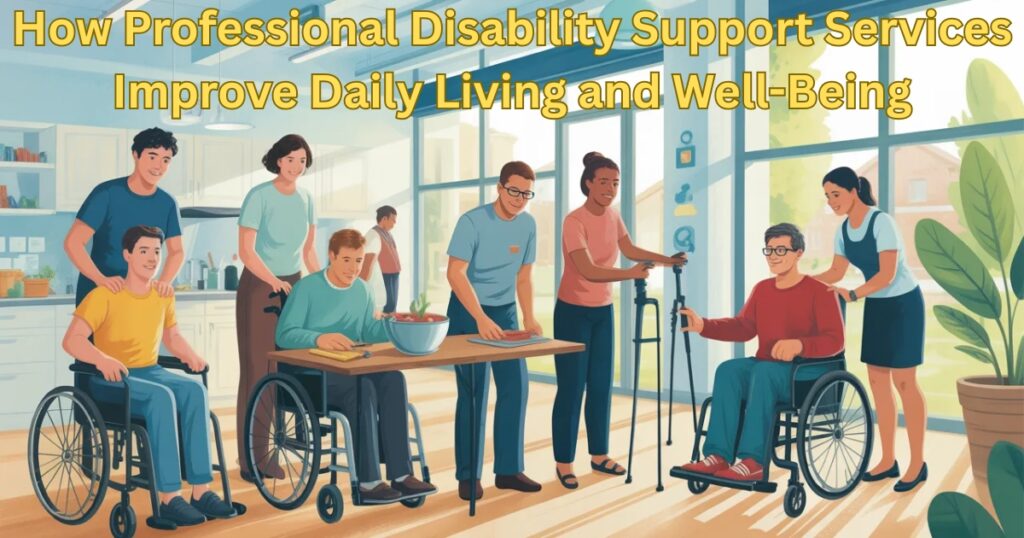
Living with a disability can bring unique challenges, but with the right support, individuals can continue to lead fulfilling and independent lives. Professional disability support services are designed to help people manage everyday tasks, participate in their communities, and maintain a strong sense of personal independence.
These services go beyond basic assistance. They aim to create opportunities for growth, social connection, and long-term well-being. Whether someone needs help with daily routines, healthcare needs, or community participation, professional support workers and caregivers play an important role in improving quality of life.
Across many countries, structured programs help coordinate these services. In Australia, for example, many disability support services operate under the National Disability Insurance Scheme, a program designed to provide funding and support for people with permanent and significant disabilities.
Understanding how these services work can help individuals and families make informed decisions about long-term support.
Helping Individuals Maintain Independence
One of the most valuable aspects of disability support services is the focus on independence. Independence does not mean doing everything alone it means having the right support in place to live life on your own terms.
Many individuals require assistance with everyday tasks such as cooking, cleaning, personal care, or transportation. With professional support workers available to help when needed, these tasks become easier to manage.
For example, someone with limited mobility may receive assistance with meal preparation or home organization. This support allows them to focus on activities they enjoy rather than struggle with physically demanding tasks.
Similarly, individuals who require help attending appointments or social activities can rely on support workers for transportation and guidance.
In professional environments, disability support can also help people maintain employment. For instance, someone working in an office setting may benefit from assistance in organizing their schedule or traveling safely to work.
These forms of assistance ensure individuals remain active participants in both their personal and professional lives.
Improving Health and Daily Well-Being
Professional disability support services often include healthcare assistance that helps individuals maintain their physical well-being.
This can involve tasks such as medication reminders, mobility assistance, and monitoring health conditions. Support workers may also collaborate with nurses and other healthcare professionals to ensure individuals receive appropriate medical attention when needed.
For example, someone recovering from surgery might require help with rehabilitation exercises or wound care. With trained professionals providing support at home, recovery becomes more manageable and comfortable.
Another common example involves individuals managing chronic conditions. Regular assistance with medication schedules and health monitoring can prevent complications and improve overall health outcomes.
Beyond physical health, disability support services also address emotional well-being. Feeling supported and understood can reduce stress and help individuals feel more confident in their daily lives.
Many support programs encourage activities that promote mental wellness, such as community engagement, hobbies, and social interaction.
Encouraging Social Connection and Community Participation
Human connection plays an essential role in overall well-being. Disability support services often focus on helping individuals stay connected with their communities and build meaningful relationships.
Community participation programs may include group activities, workshops, sports events, or social outings. These activities offer participants opportunities to meet new people and develop friendships.
For example, someone interested in art might attend community art classes organized through support programs. Another person may enjoy group fitness sessions or music activities that allow them to connect with others who share similar interests.
Participating in these activities helps reduce feelings of isolation and encourages individuals to develop new skills and confidence.
Support workers may also assist individuals with volunteering or pursuing educational opportunities. These experiences allow people to contribute their talents and engage with the broader community.
For those seeking information about available services, exploring resources such as Nursedcare.com.au can help individuals better understand how professional disability support programs assist participants in achieving their personal goals.
By removing barriers to participation, disability support services help individuals remain active members of their communities.
Supporting Families and Caregivers
While disability support services are designed to assist individuals, they also provide significant benefits for families and caregivers.
Caring for a loved one with a disability often requires considerable time and energy. Professional support workers help share these responsibilities, allowing families to maintain a healthy balance between caregiving and other aspects of life.
For example, parents caring for a child with a disability may rely on professional support services during school holidays or after-school hours. This allows them to manage work commitments while ensuring their child receives appropriate care and supervision.
Similarly, adult children caring for aging parents may appreciate assistance with medical care or mobility support.
Professional support services help ensure that caregivers are not overwhelmed by their responsibilities. This collaborative approach strengthens family support systems and ensures individuals receive consistent care.
Developing Skills for Long-Term Independence
Another important goal of disability support services is skill development. Many programs focus on teaching practical life skills that help individuals become more self-reliant.
These skills may include:
- Cooking and meal planning
- Personal budgeting and financial management
- Communication and social skills
- Workplace preparation and job training
- Technology skills for everyday tasks
For example, a young adult learning to cook simple meals may gain confidence in preparing food independently. Over time, these skills become part of their daily routine.
Similarly, individuals interested in employment may receive training to develop workplace skills such as time management and teamwork.
These opportunities empower individuals to pursue their goals and participate more actively in society.
Adapting Support to Individual Needs
One of the most important features of disability support services is flexibility. Every individual has unique needs, abilities, and aspirations.
Support plans are typically designed to reflect these differences. Some individuals may require daily assistance with multiple tasks, while others may only need occasional support.
For example, someone recovering from an injury may require temporary assistance until they regain independence. In contrast, individuals with long-term disabilities may receive ongoing support that evolves as their needs change.
This personalized approach ensures that services remain relevant and effective over time.
Rather than applying a one-size-fits-all model, disability support programs focus on adapting care to match each individual’s circumstances and goals.
Final Thoughts
Professional disability support services play a vital role in helping individuals live fuller, more independent lives. By providing assistance with daily tasks, healthcare needs, and community participation, these services help remove barriers that might otherwise limit opportunities.
Beyond practical support, these programs foster confidence, social connection, and personal growth. Individuals gain the skills and resources they need to pursue their goals while maintaining a strong sense of independence.
For families and caregivers, professional support services provide reassurance that their loved ones are receiving reliable care.
As disability support programs continue to evolve, they remain focused on one central goal: helping individuals live with dignity, independence, and a strong sense of belonging in their communities.