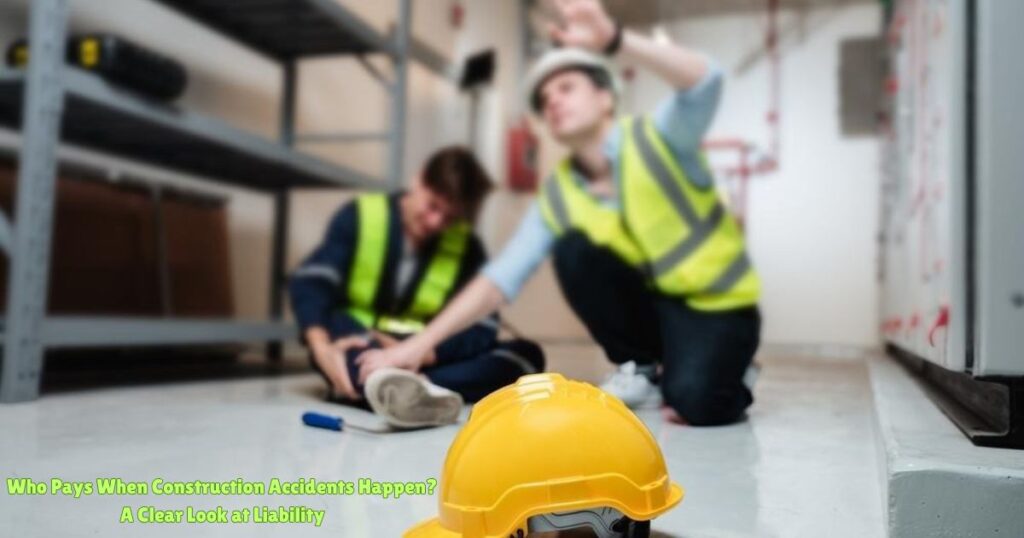
Construction sites are full of moving parts, heavy machinery, and ever-changing setups. Every corner holds potential risk, and accidents can happen in the blink of an eye. Liability becomes the silent character in these moments, deciding who will bear the responsibility for injuries and losses.
From contractors to equipment manufacturers, the chain of accountability can be complicated and confusing. Understanding how liability works is not just about knowing the law; it’s about protecting yourself and your future after an accident.
If you’re dealing with this, here’s a clear look at how responsibility is determined and what steps can help you stay secure.
What’s Liability in Construction Accidents
Liability in construction is not a single, simple concept. Multiple parties can share responsibility depending on how the accident occurred. Employers often carry a basic level of responsibility through workers’ compensation, ensuring injured employees receive medical care and some wage replacement. Third-party liability can extend to contractors, subcontractors, property owners, or even equipment manufacturers if their negligence contributed to the accident.
Assigning accountability requires examining the circumstances of each incident carefully. Early documentation and legal guidance can make a significant difference, especially in establishing accountability for dangerous work site conditions that may have led to the injury.
Common Scenarios of Construction Accidents
Construction work involves many hazards. Some of the most common accidents include:
Falls from Heights
Falls remain a leading cause of injuries. They can occur from scaffolds, ladders, or incomplete structures. Responsibility often depends on whether proper safety measures were in place and if the equipment met regulatory standards.
Equipment-Related Injuries
Heavy machinery accidents are complex. Operator error, poor maintenance, and defective equipment all factor into determining liability. In many cases, multiple parties could share responsibility, making evidence collection essential.
Falling Objects and Unsafe Sites
Loose materials or unsecured tools can cause injuries, sometimes even fatal ones. Contractors and property owners are often held accountable if safety protocols were neglected or oversight was lacking.
Electrical Hazards
Exposed wiring or poorly maintained equipment can lead to severe burns or electrocution. Liability typically falls on those responsible for safety compliance and site inspections.
How Evidence Shapes Responsibility
Evidence is central to proving who is at fault. Photos of the site, witness statements, medical records, and safety reports all create a clear picture of what went wrong. Immediate documentation strengthens a case, especially when proving accountability for dangerous work site conditions.
A well-prepared record can also prevent insurers or opposing parties from unfairly shifting blame. Lawyers often stress preserving evidence before it disappears or is altered, making it easier to hold the correct parties responsible.
The Role of a Construction Accident Lawyer
A construction accident lawyer guides injured workers through the legal maze. They identify all liable parties and ensure claims are filed against each appropriately. They also negotiate with insurance companies to secure compensation for medical bills, lost wages, and long-term impacts. Skilled lawyers examine site conditions, safety violations, and equipment use to establish clear responsibility.
By working with legal professionals, injured workers can focus on recovery while ensuring their rights are fully protected. Proper legal guidance can be the difference between partial compensation and the full settlement deserved.
Steps to Take After an Accident
Knowing what to do after a construction accident can protect your claim:
- Seek medical attention immediately.
- Notify your employer and ensure the accident is documented.
- Preserve evidence such as photos, videos, and witness contacts.
- Avoid admitting fault or making statements to insurers without guidance.
- Contact a construction accident lawyer to evaluate your case and advise on next steps.
Following these actions helps maintain credibility and ensures all responsible parties are identified accurately.
Protecting Yourself and Seeking Compensation
Construction accidents are unpredictable, but understanding liability makes recovery less overwhelming. Responsibility often spreads across several parties, and the law allows injured workers to pursue compensation fairly.
Legal professionals help navigate the process, gathering evidence and establishing accountability for those who failed to maintain a safe work environment. Knowing your rights and acting promptly can help secure medical care, financial stability, and peace of mind.
Takeaway
Liability in construction accidents is rarely straightforward. Multiple parties can share responsibility, and clear evidence is essential to prove negligence.
Establishing accountability for dangerous work site conditions ensures that injured workers can pursue fair compensation for medical costs, lost income, and other damages. Seeking legal guidance early allows workers to identify all responsible parties and protect their rights.
Accidents are stressful, but understanding liability and taking immediate steps can make a significant difference in recovering what is owed and moving forward safely.